- More
Khaled Saifulla 14 Nov 2025 , 6:30 AM Print Edition
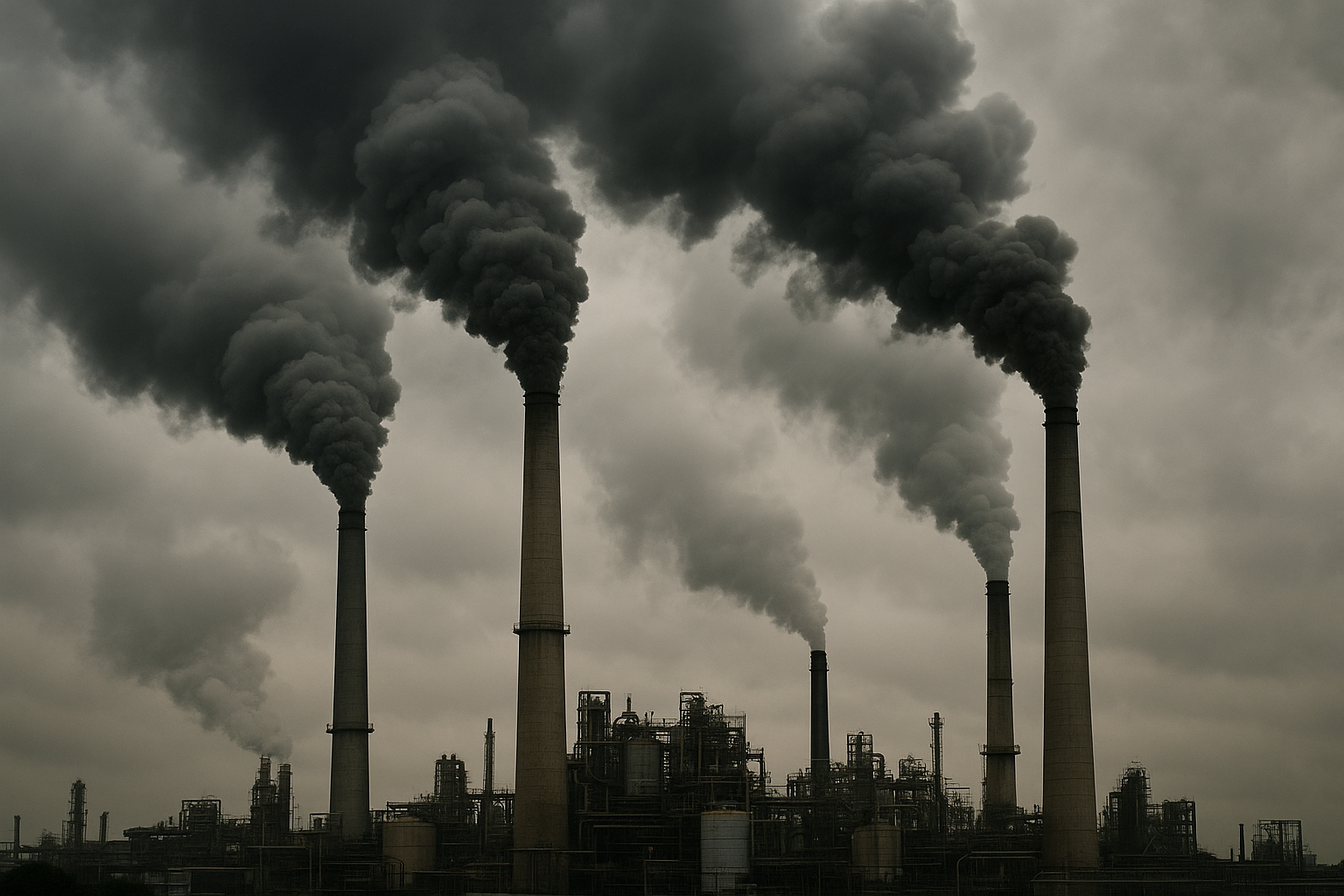
More than 1,600 fossil fuel lobbyists have received access to the COP30 climate summit in Belém, Brazil — a number higher than the delegation size of every country except the host nation. The findings come from a new analysis by the Kick Big Polluters Out (KBPO) coalition, raising serious concerns about growing corporate influence inside the United Nations climate talks.

According to KBPO, one out of every 25 participants at this year’s summit represents the fossil fuel industry. This marks a 12% increase from last year’s talks in Baku and is the highest proportion of fossil fuel lobbyists since tracking began in 2021. Although the total number of participants at COP30 is smaller, the share of industry lobbyists is larger.
Over the past five years, almost 7,000 fossil fuel lobbyists have attended UN climate conferences — a period marked by record-breaking extreme weather, disinformation, and soaring oil and gas profits.
“This is corporate capture, not climate governance,” said Lien Vandamme, senior campaigner at the Center for International Environmental Law. Her remarks echo growing frustration among civil society groups who fear that fossil fuel interests are weakening meaningful climate action.
Vulnerable nations overshadowed
The report also highlights a troubling imbalance: fossil fuel lobbyists received 60% more passes than the 10 most climate-vulnerable countries combined.
For example:
Lobbyists outnumber the Philippines’ delegation 50 to 1, even as the country battles deadly typhoons.
In drought-hit Iran, the ratio is 44 to 1.
Jamaica, facing billions in climate-related damages, is outnumbered 40 to 1.
Global pressure grows for a ban
In July, the International Court of Justice (ICJ) ruled that expanding fossil fuel production may violate international law. Many experts, including UN Special Rapporteur Elisa Morgera, say this should prompt countries to treat fossil fuel lobbying like tobacco industry lobbying and restrict their influence at climate negotiations.
Meanwhile, 2025 is on track to be one of the hottest years ever recorded, yet governments continue to approve billions in new oil and gas investments.
“Fossil fuel corporations are destroying our lands and communities. Yet they are welcomed with red carpets at COP,” said Nerisha Baldevu from Friends of the Earth Africa.
Transparency gaps remain
Despite new UN rules requiring delegates to disclose who funds their participation, more than half of all official delegations at COP30 did not reveal affiliations. Countries such as Russia, Tanzania, South Africa, and Mexico made no disclosures at all, limiting public accountability.
Major polluting nations also included oil and gas representatives in their official delegations —
France brought 22 industry delegates, including the CEO of TotalEnergies.
Norway included six top executives from its state oil company Equinor.
Only Brazil’s delegation, with over 3,800 members, is larger than the combined presence of fossil fuel interests.
Growing calls for reform
Youth activists and environmental groups say the UN climate process is losing public trust.
“My generation deserves climate policies driven by science, not by polluters’ profits,” said Pim Sullivan-Tailyour from the UK Youth Climate Coalition.
Others warn that climate summits have become a stage for oil companies to rehabilitate their image while continuing environmentally harmful practices.
A spokesperson from the UNFCCC said the organization has improved transparency but added that governments alone decide who joins their delegations.