- More
Khaled Saifulla 18 Nov 2025 , 7:53 AM Print Edition
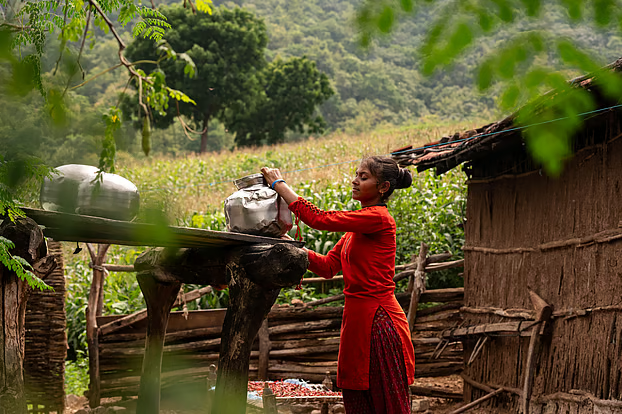
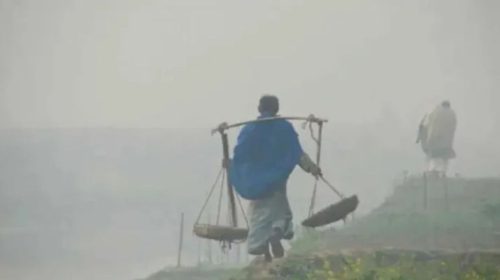
NANDURBAR, India, November 18, 2025 – For Ramati Mangla, a 17-year-old from drought-hit Maharashtra, the school bell rings in silence. Every morning, she sets out barefoot, a steel pot in hand, beginning a kilometers-long trek to a distant spring. By the time she returns, exhausted and late, her classroom session is already underway. She has not attended school regularly for months.
“I have kept my books,” Ramati says, reflecting a quiet fear. “But what if I never get a chance to go back?”
Across India’s rural heartlands, erratic rainfall and dramatically drying wells have forced a brutal choice upon families. Crucially, the climate crisis has dissolved educational opportunities for millions of girls.
The problem is most visible in drought-scarred districts like Nashik and Nandurbar. As agricultural income collapses, men often migrate to cities searching for work. Consequently, girls like Ramati are left to shoulder the immediate, life-sustaining labor of water collection. This chore can consume half their day, leaving no time or energy for learning.
Local officials estimate nearly two million people in these regions face critical daily water shortages.
Teachers across the region confirm the statistics are alarming: attendance among female students has sharply dropped in recent years, a plunge steepest during the extended dry months. Families battling for sheer survival often see only two options for their daughters: withdraw them from school to increase household capacity, or arrange for early marriage to reduce the financial burden.
A 2021 UNESCO report warned that climate disruptions could push millions of girls worldwide out of classrooms. The pattern is now an undeniable reality in India, where deep-seated gender inequality is exacerbated by environmental disaster.
UNICEF reports that children in drought-prone areas struggle with school attendance because collecting water now takes a dramatically longer time due to scarcity and pollution.
For Ramati Mangla and countless others, the simple, necessary act of fetching water has become a tragic, daily negotiation between immediate survival and a brighter future promised by education.