- More
Khaled Saifulla 25 Nov 2025 , 5:25 PM Print Edition
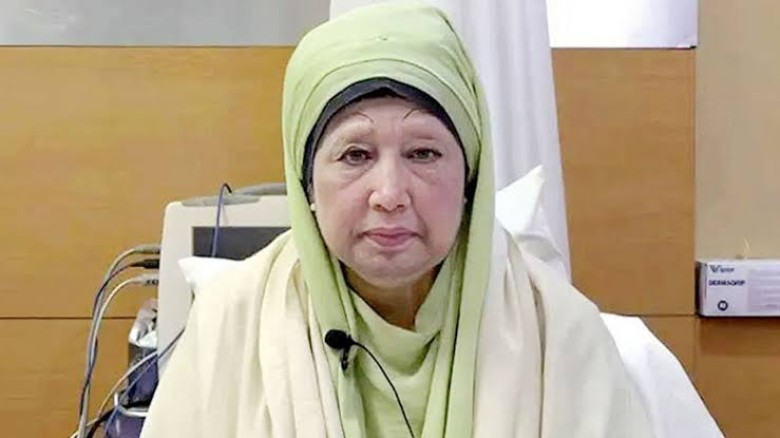
DHAKA – Former Prime Minister and BNP Chairperson Khaleda Zia has sought prayers from the people of Bangladesh as she continues to battle serious health complications.

The plea for national prayers was communicated by her personal physicians and party officials, emphasizing the critical nature of her health condition and the urgent need for comprehensive treatment.
Critical Health Condition
The 79-year-old political leader is currently undergoing treatment at a private hospital in Dhaka. Her medical team confirmed that her condition remains critical but stable.
Ongoing Issues: Khaleda Zia has been suffering from multiple chronic health issues, including liver cirrhosis, cardiac problems, diabetes, and arthritis.
Medical Board: A specialized medical board comprising Bangladeshi and foreign experts is closely monitoring her health around the clock. They have repeatedly advised that she requires advanced medical care abroad due to the limitations of local facilities, particularly concerning her complex liver and heart ailments.
Political and Legal Context
Khaleda Zia has been legally restricted since her corruption conviction in 2018. While she was released from jail in 2020 via an executive order, she remains under conditional release.
Release Conditions: Her release is conditional on her receiving treatment in Dhaka and refraining from political activities.
Travel Ban: The government has consistently denied her family’s requests to allow her to travel abroad for specialized treatment, citing legal limitations as she is a convicted felon. The BNP party and her family view this denial as politically motivated.
Plea for National Support
The call for prayers is seen by the opposition Bangladesh Nationalist Party (BNP) as a reflection of the family’s deep concern over her deteriorating health and a way to generate public support for her critical medical needs.
The BNP has called upon the government to lift the travel restrictions immediately. They argue that allowing her to seek treatment abroad is a matter of basic human rights, especially given her age and fragile state.