- More
Online Report 15 Oct 2025 , 12:59 PM Print Edition
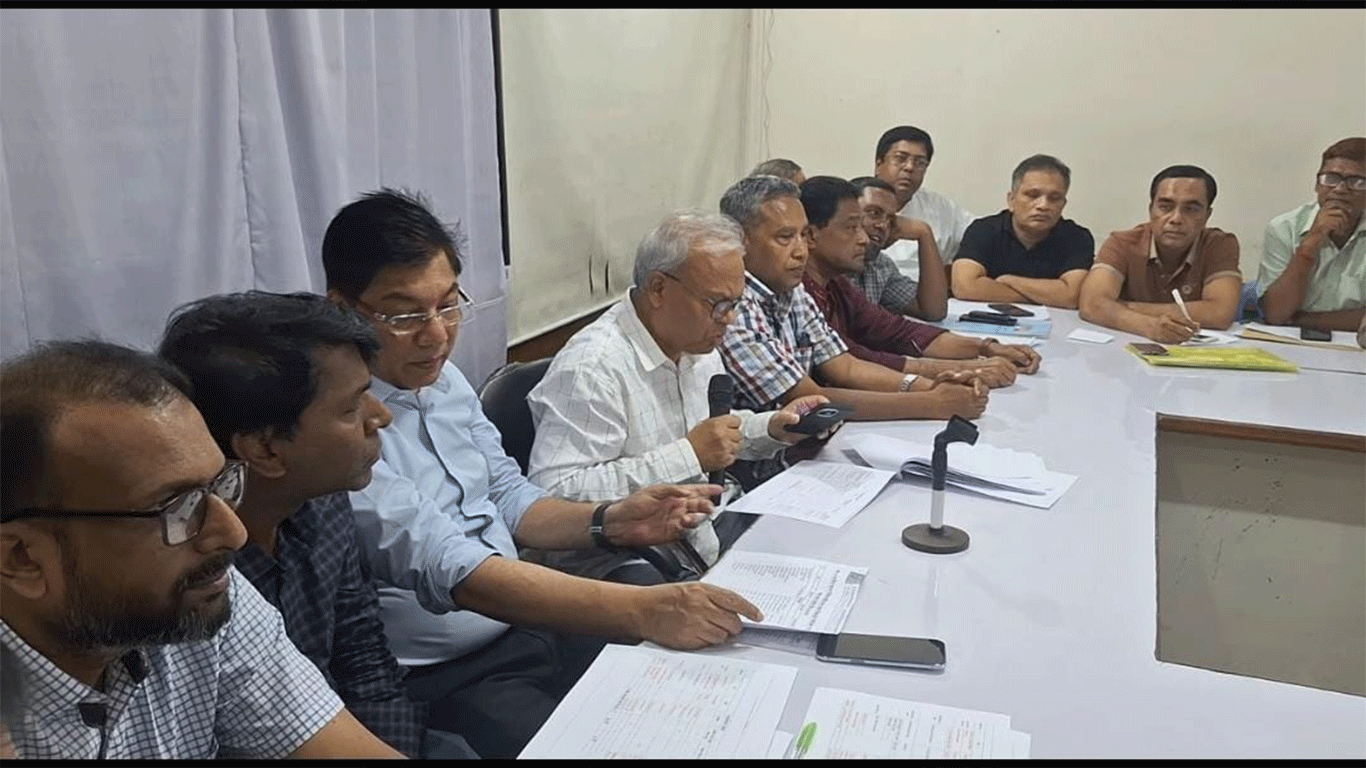
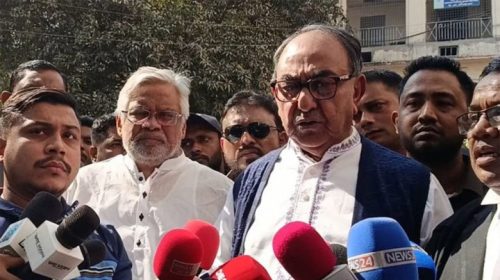
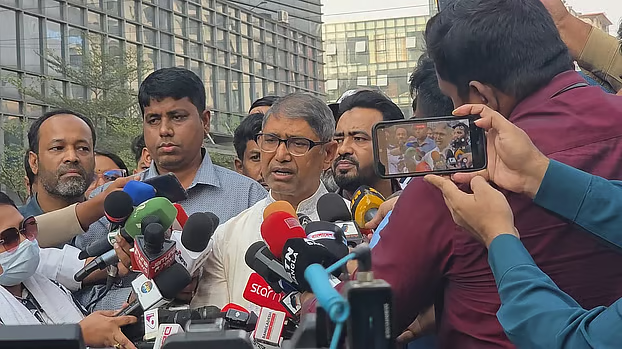
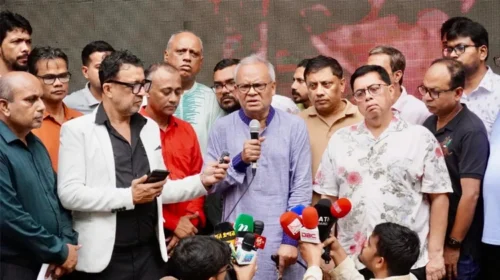
BNP Senior Joint Secretary General Ruhul Kabir Rizvi warned on Wednesday that any disruption in the democratic process could bring in a “dark horse,” increasing uncertainty in the country’s political landscape.

Speaking to reporters at the party’s Nayapaltan central office, he criticized advocates of the proportional representation (PR) system, calling it “unrealistic and misleading.” He pointed out that in most advanced democracies like Britain and the United States, voters directly elect their representatives, and questioned why the PR system is suddenly being promoted as the best democratic model.
Referring indirectly to Bangladesh Jamaat-e-Islami, Rizvi said the party is pushing for the PR system and a referendum before the national election to mislead the public and possibly disrupt the election. He urged everyone involved in the democratic movement to remain united to prevent any obstacles in the country’s democratic progress. “Otherwise, a dark horse may emerge and cause damage,” he cautioned.
Rizvi noted that even in developed countries, there is ongoing debate about whether the PR system truly represents public opinion. He said Japan, a leading democracy, uses PR for only 37% of its system and that worldwide discussions and criticisms persist without full implementation anywhere. He questioned why it should suddenly be introduced in Bangladesh.
He expressed concern that discussing PR right before the national election would only confuse voters, many of whom have little understanding of how proportional representation works.
On the referendum regarding the July Charter and the national election, Rizvi suggested holding both on the same day as the most practical and acceptable approach. He explained that organizing a separate referendum before the election would be difficult if national polls take place in early or mid-February, before Ramadan.
The BNP leader emphasized that preparing for both a referendum and an election requires significant time and public participation, which is not feasible under the current timeline.
Rizvi stressed the urgency of holding the national election soon, noting that the country’s political and economic problems are worsening. He pointed to the sharp decline in investment, linking it directly to the absence of an elected government.
He warned that if power is not transferred to elected representatives soon, the crisis will deepen. An elected government would boost investor confidence, encouraging investment that could create jobs and help the economy recover.