- More
admin 5 Aug 2026 , 11:55 AM Print Edition
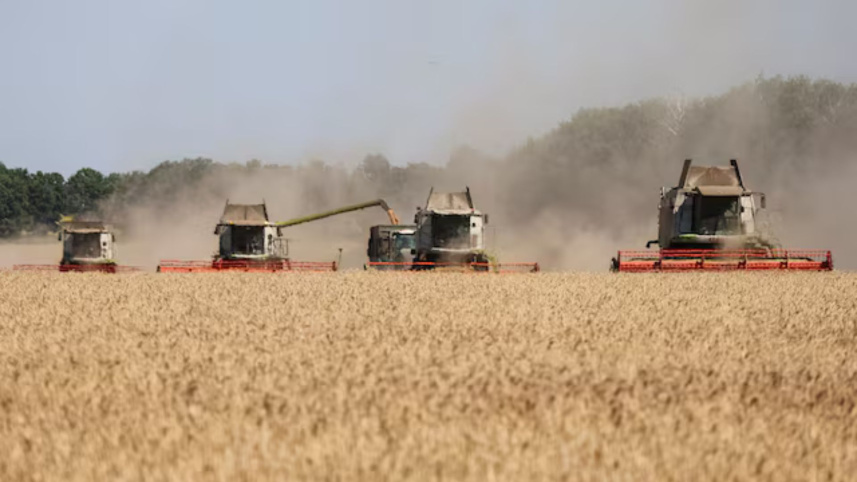
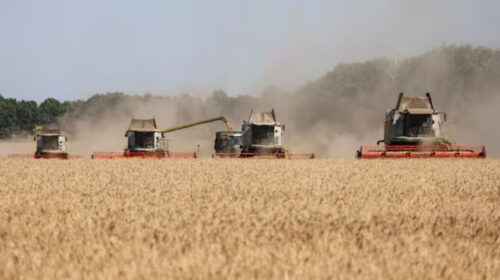
International Desk : The world could be heading towards another wave of food inflation as conflicts involving Iran and Ukraine, coupled with the effects of El Niño, drive up production costs and reduce crop yields, the chief economist of the UN Food and Agriculture Organization (FAO) has warned.
Food prices played a major role in the global inflation spike of 2022 but have remained relatively stable so far this year, helping offset inflationary pressure caused by elevated energy costs in some countries.
That stability may not last, however. Rising crude oil prices, reduced fertiliser supplies from the Gulf region, diesel shortages in parts of the world and increasingly extreme weather are expected to push production costs higher, with the impact likely to reach consumers after a delay.
“I expect commodity prices to continue rising, and food prices will begin increasing by the end of this year. Next year, they are likely to rise even further,” FAO Chief Economist Maximo Torero told Reuters in an interview.
According to Torero, it generally takes between three and six months for higher commodity prices to be reflected in retail food prices.
Although wheat, maize and rice prices have climbed in recent months, he said current market conditions still largely reflect recent favourable harvests rather than the production challenges expected in the coming season.
Torero warned that disruptions around the Strait of Hormuz pose a significant threat to global agricultural production because they affect essential inputs such as fuel and fertilisers.
“Brent oil is crucial for pumping, packaging, processing and transporting agricultural products, while natural gas is a key ingredient in fertiliser production,” he said.
He also noted that damage to Russia’s oil and gas infrastructure resulting from the war in Ukraine has constrained exports of diesel and natural gas, both of which are critical to food production.
Because agricultural commodity markets are globally interconnected, rising input costs are affecting producers worldwide, although wealthier countries are generally better positioned to cushion the impact.
“You’re hearing this in Europe, in the US, Brazil and across Asia. Tight profit margins are already influencing farmers’ planting decisions,” Torero said.
In the United States, the American Farm Bureau Federation recently estimated that, without additional federal support, farmers growing the country’s nine principal crops could collectively lose about $32 billion in 2027. The organisation said returns for every major crop analysed are expected to remain below break-even on a per-acre basis.
Global wheat and corn planting declined during the first three months of the Iran conflict, while some US farmers shifted to soybean cultivation because it requires less fertiliser.
Australia, one of the world’s leading agricultural exporters, has also forecast a 21 percent decline in winter crop production, citing sharply higher fuel and fertiliser costs as well as uncertainty over the availability of essential farm inputs.
Meanwhile, this year’s El Niño weather pattern is expected to be particularly strong, disrupting global rainfall patterns, affecting crop production and potentially pushing tens of millions of people into acute food insecurity.
In India, the annual monsoon has already been delayed, with below-average rainfall forecast for this month, raising concerns over rice production and the potential impact on global food prices.