- More
admin 6 Aug 2026 , 1:11 PM Print Edition
Online Desk : The government has decided to increase its strategic food grain reserve to strengthen food security, meet growing domestic demand and expand social safety net programmes.

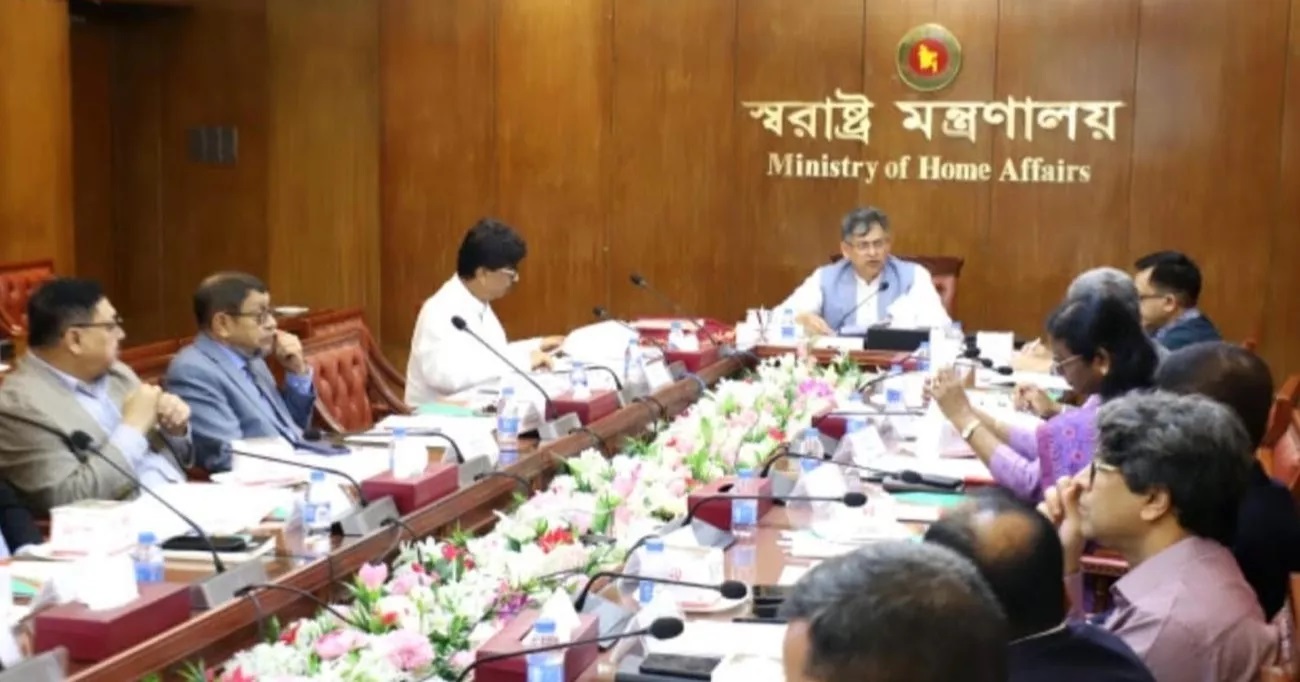
The decision was taken at a meeting of the Food Planning and Monitoring Committee (FPMC) held at the Home Affairs Ministry on Thursday, according to a press release issued by the Ministry of Food.
The meeting was chaired by Home Minister and FPMC Chairman Salahuddin Ahmed.
Under the new decision, the government’s strategic food grain reserve will be increased from the current 1.3 million metric tonnes to 1.4 million metric tonnes during normal times and 1.5 million metric tonnes during emergencies and natural disasters.
The committee said the move was prompted by the country’s steadily rising demand for food grains, the need to enhance food security, reduce poverty and widen the coverage of social protection programmes.
The meeting also approved the implementation of the Food-Friendly Programme for the 2026-27 fiscal year, under which 5.5 million poor and ultra-poor rural families will receive 30 kilograms of rice per month at Tk 15 per kilogram for six months.
A total of 990,000 metric tonnes of rice will be distributed under the programme.
To improve nutrition and combat malnutrition, fortified rice enriched with essential vitamins and minerals will also be distributed in 300 upazilas under the initiative.
The committee was informed that the government distributed an average of 3.232 million metric tonnes of food grains annually over the past five fiscal years. Distribution increased to 3.508 million metric tonnes in the 2025-26 fiscal year.
In view of the growing demand for government food assistance, the committee decided to raise the strategic reserve to ensure uninterrupted supply during emergencies.
The meeting also approved the construction of new food warehouses in all three hill districts to ensure uninterrupted storage and distribution of food grains during natural disasters, emergencies and temporary disruptions to transport networks.
In addition, the government plans to increase the country’s overall food grain storage capacity by 3 million metric tonnes by 2030.
Members of the Food Planning and Monitoring Committee and senior government officials attended the meeting.